InformAction Newsletter
Actionable insights from Brandology®
Experts in trend tracking, strategic planning, positioning, new products and marketing
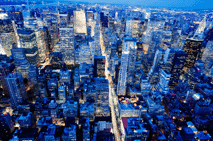
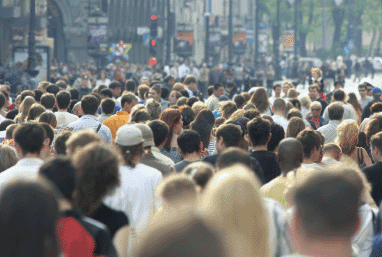
       Everyone and their brother is migrating to a big city in one of the defining trends of this century. In 1950 there was one megacity with a population over 10 million. There are now 19, and by 2025 there will be 26, including 8 metro areas housing more than 20 million people each. 50% of the world’s population now lives in cities. By 2050, it is projected to be 75%.

       While forecasters agree on the trend, there’s disagreement on its environmental and social impact. Some say it will be positive. Correctly designed, large, dense cities lead to lower carbon living than sprawling suburbs. Information flows more rapidly in cities, so there is more learning, innovation, and entrepreneurship.

       Others say the impact of huge urban hubs will be negative. Cities are growing more rapidly than their infrastructure. Everything from public transportation, to lower income housing, to sewage systems will be swamped, with very unpleasant consequences. Pollution is currently higher in cities, and will increase without significant, rapid intervention. Large numbers of people living in close quarters, in less than ideal circumstances, is likely to lead to more social unrest. Finally, the majority of megacities are close to a coast, sparking alarming questions about what will happen to their huge populations as ocean levels rise.

We should think about...
  • What new needs will our customers/consumers develop as a result of the rise of megacities? How can we address them with new products and services?
  • How should we address the impact of megacities in our long-term supply chain strategy?
  • What green initiatives should rise to the top of the list based on the megacity trend?
Sources: Harvard Business Review 2009; New York Times, 2009;
Tree Hugger 2008; UN Habitat 2009
Click here to learn more about Brandology